
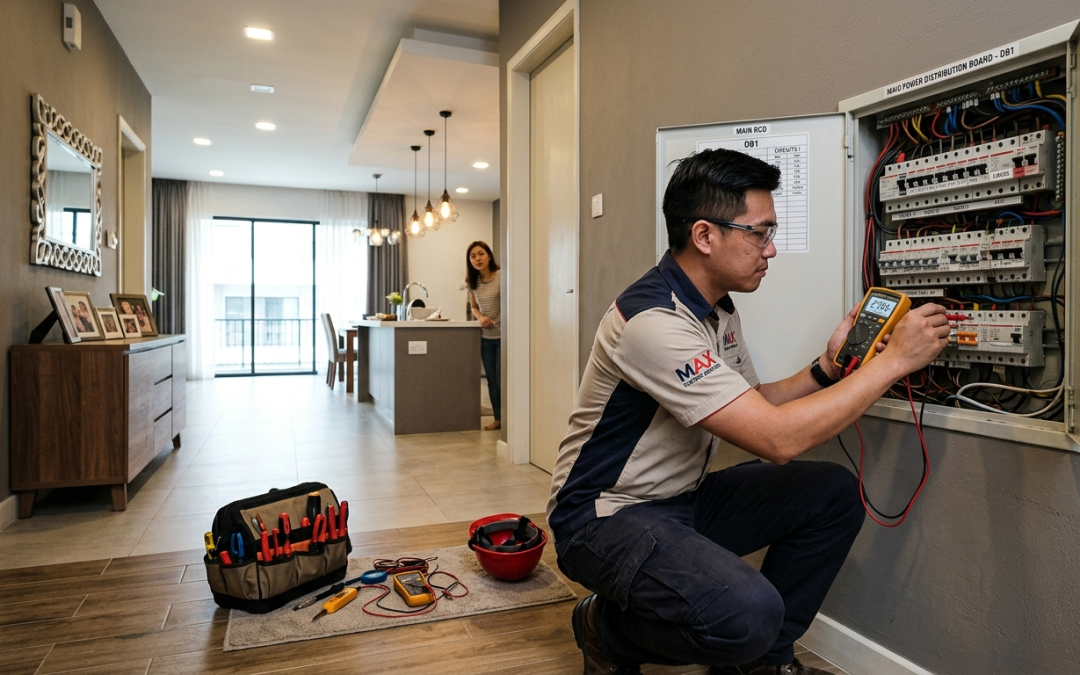
Power trips and electrical failures are common problems in many homes, especially in older properties or houses with outdated wiring systems. While occasional power trips may seem normal, repeated electrical issues can indicate a more serious problem within the home’s electrical system.
Many homeowners ignore these warning signs until appliances stop working or electrical damage becomes more severe. However, electrical failures should never be taken lightly because they can increase the risk of electrical fires, damaged appliances, and safety hazards.
Understanding the causes of power trips can help homeowners identify problems early and avoid costly repairs in the future.
What Is a Power Trip?
A power trip happens when the electrical system automatically shuts off power to protect the home from electrical overload or dangerous faults. This usually happens through the circuit breaker or fuse box.
Circuit breakers are designed to prevent:
- electrical overheating
- overloaded circuits
- short circuits
- electrical fires
- appliance damage
When a circuit detects unsafe electrical conditions, the breaker automatically switches off power as a safety measure.
1. Overloaded Electrical Circuits
One of the most common causes of power trips is an overloaded circuit. This happens when too many electrical appliances use the same circuit at the same time.
For example, running:
- air conditioners
- water heaters
- microwaves
- washing machines
on a single circuit may exceed the electrical load capacity.
As a result, the circuit breaker trips to prevent overheating and potential fire hazards.
2. Faulty Electrical Wiring
Old or damaged wiring is another major cause of electrical failures in homes. Over time, electrical wires may become worn out, loose, or damaged due to heat, moisture, or poor installation work.
Faulty wiring can cause:
- frequent power trips
- sparks
- burning smells
- flickering lights
- short circuits
In serious cases, damaged wiring can become a fire risk if not repaired quickly.
3. Short Circuits
A short circuit happens when electrical current flows through an unintended path. This creates excessive heat and causes the circuit breaker to shut down immediately.
Short circuits may occur because of:
- damaged appliance wiring
- exposed wires
- loose electrical connections
- faulty outlets
Homes with frequent short circuits should be inspected by a professional electrician as soon as possible.
4. Ground Fault Problems
Ground faults happen when electricity accidentally flows into the ground instead of following the normal electrical path.
This problem commonly occurs in:
- bathrooms
- kitchens
- outdoor electrical systems
- wet areas
Ground faults are dangerous because they increase the risk of electric shock. Modern electrical systems often use safety devices such as RCCB or ELCB breakers to detect these faults.
5. Old Electrical Systems
Many older homes were not designed to support modern electrical demands. Today, households use more appliances and electronic devices than before, which places additional stress on older electrical systems.
Outdated electrical systems may struggle to handle:
- high-power appliances
- smart home devices
- multiple air conditioners
- modern kitchen equipment
Because of this, older homes often experience frequent power trips and unstable electrical performance.
Warning Signs of Serious Electrical Problems
Homeowners should pay attention to signs that may indicate hidden electrical issues.
Common warning signs include:
- repeated circuit breaker trips
- burning smell near switches
- buzzing sounds from outlets
- flickering or dim lights
- warm power sockets
- sparks when plugging devices
These signs should not be ignored because they may indicate dangerous electrical faults inside the property.
Why Electrical Problems Should Not Be Ignored
Electrical problems can become more serious over time if left untreated. Small faults may eventually lead to:
- electrical fires
- damaged appliances
- expensive repair costs
- power supply interruptions
- safety hazards for family members
Early inspection and repair can help prevent larger electrical damage in the future.
How Professional Electricians Solve Power Trip Problems
Professional electricians use specialized tools and testing equipment to identify electrical faults safely.
This may include:
- circuit testing
- wiring inspection
- breaker analysis
- load testing
- fault detection
After identifying the issue, electricians can recommend suitable repair or replacement solutions.
Tips to Prevent Electrical Failures at Home
Avoid Overloading Power Sockets
Do not connect too many appliances to one extension or outlet.
Schedule Electrical Inspections
Regular inspections help detect hidden problems before they become dangerous.
Replace Old Wiring Systems
Older wiring should be upgraded to support modern electrical usage.
Use Quality Electrical Components
Poor-quality switches, plugs, and wiring may increase electrical risks.
Hire Licensed Electricians
Professional electricians ensure safe installation and proper repair work.
Benefits of Professional Electrical Maintenance
Professional electrical maintenance helps:
- improve electrical safety
- reduce power interruptions
- prevent appliance damage
- increase system reliability
- identify hidden wiring problems
Routine maintenance also helps homeowners avoid unexpected electrical emergencies.
Conclusion
Frequent power trips and electrical failures are often signs of deeper electrical system problems. Overloaded circuits, faulty wiring, short circuits, and outdated electrical systems are some of the most common causes.
Ignoring these issues can increase safety risks and lead to more expensive repairs in the future. Therefore, homeowners should seek professional electrical inspection and repair services whenever electrical problems become frequent.
Proper maintenance and early detection can help keep homes safe, efficient, and electrically reliable.
More Info
- Home Page
https://electricianwireman.com/ - Blog Section
https://electricianwireman.com/blog/
FAQs
1. Why does my house keep experiencing power trips?
Common causes include overloaded circuits, faulty wiring, short circuits, or damaged appliances.
2. Are frequent power trips dangerous?
Yes. Frequent trips may indicate serious electrical problems that can become safety hazards.
3. Can old wiring cause electrical failures?
Yes. Older wiring systems may not support modern electrical usage safely.
4. Should I reset the breaker repeatedly?
No. Repeated breaker trips should be inspected by a professional electrician.
5. When should I call an electrician?
You should contact an electrician if power trips happen frequently or if you notice sparks, burning smells, or flickering lights.
© 2024 Electrician Wireman. All Rights Reserved. Web Design Malaysia | SEO Services | Mobile Apps