
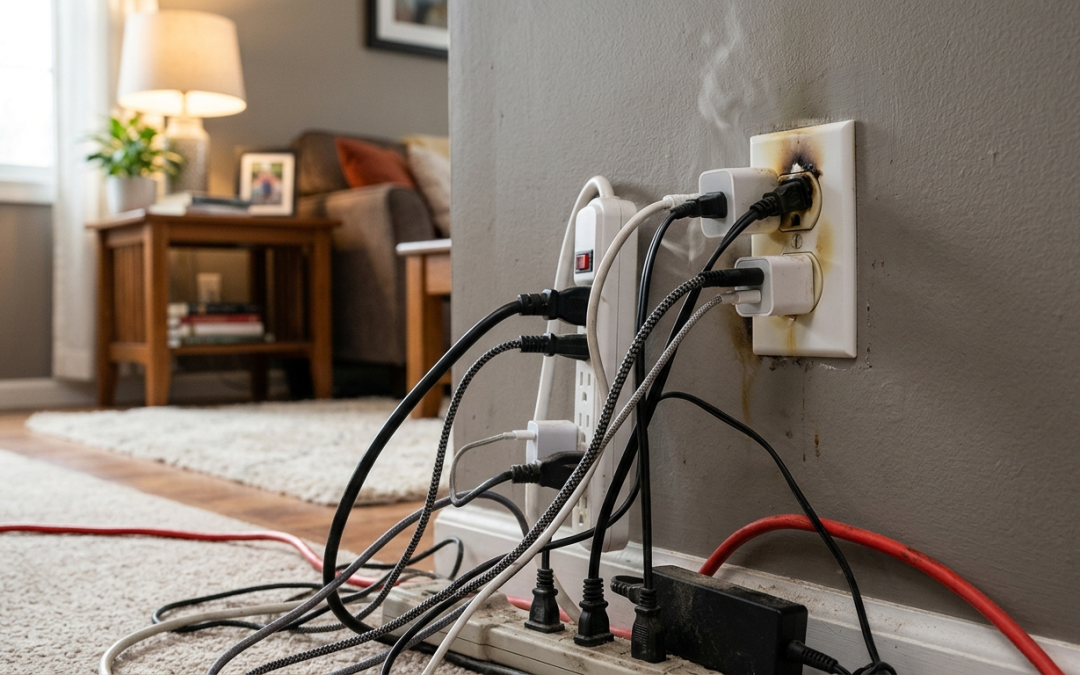
Electrical overloading is one of the most common yet overlooked issues that can seriously affect property safety and electrical system performance. Many homeowners and business owners use multiple appliances and devices daily without realizing that their electrical system may not be designed to handle such high demand. As a result, circuits can become overloaded, leading to frequent power trips, overheating, and potential fire hazards. Therefore, understanding how electrical overloading happens is essential for maintaining a safe and reliable power system.
Moreover, modern lifestyles have increased the demand for electricity, especially with the widespread use of air conditioning units, high-powered appliances, and smart devices. Without proper system upgrades or professional assessment, existing wiring may struggle to cope with this demand. Consequently, seeking professional electrical services becomes crucial in identifying risks early and ensuring that the system operates safely and efficiently.
Excessive Use of High-Powered Appliances
One of the main causes of electrical overloading is the excessive use of high-powered appliances within a single circuit. Devices such as air conditioners, water heaters, and ovens require a significant amount of electricity to operate efficiently. When multiple high-consumption appliances are connected to the same circuit, the total load can exceed the system’s capacity, leading to overheating and circuit breaker trips.
Professional electricians can evaluate the power distribution within a property and recommend necessary adjustments to balance the load. By redistributing circuits or upgrading the electrical panel, they help ensure that each appliance operates safely without putting unnecessary strain on the system. This approach not only prevents overloading but also improves overall energy efficiency.
Outdated Wiring Systems
Older properties often have outdated wiring systems that were not designed to support modern electrical demands. Over time, wiring materials can deteriorate, reducing their ability to safely carry electrical current. When these older systems are used beyond their intended capacity, the risk of electrical overloading increases significantly.
Professional electrical assessments can identify outdated or damaged wiring before it leads to serious issues. Experts may recommend rewiring or upgrading components to meet current safety standards. As a result, property owners can avoid unexpected failures and ensure that their electrical systems remain reliable for long-term use.
Poor Circuit Design and Distribution
Improper circuit design is another factor that contributes to electrical overloading. In some cases, multiple areas of a property may be connected to a single circuit, causing uneven load distribution. This can lead to certain circuits being overburdened while others remain underutilized, increasing the likelihood of system failure.
Professional electricians analyze the overall electrical layout and optimize circuit distribution based on usage patterns. By creating a more balanced system, they reduce the risk of overloading and improve the overall performance of the electrical network. This ensures that power is distributed efficiently across the entire property.
Frequent Use of Extension Cords and Adapters
The overuse of extension cords and multi-plug adapters is a common practice that can easily lead to electrical overloading. While these devices provide convenience, they are not designed to handle high electrical loads for extended periods. Plugging multiple appliances into a single outlet through adapters can exceed the safe capacity of the circuit.
Professional electricians often advise minimizing the use of temporary connections and installing additional outlets where needed. By upgrading the electrical system to accommodate actual usage, they help reduce reliance on extension cords. This not only improves safety but also enhances the reliability of the electrical setup.
Lack of Regular Electrical Inspection
Many property owners do not schedule regular electrical inspections, which increases the risk of undetected overloading issues. Without proper monitoring, small problems such as loose connections or minor overloads can gradually develop into major hazards. Over time, this can lead to unexpected power failures or even electrical fires.
Regular inspections conducted by professionals help identify potential risks before they escalate. Electricians use specialized tools to assess system performance and detect abnormalities. Therefore, consistent maintenance plays a key role in preventing electrical overloading and ensuring long-term safety.
Increasing Power Demand in Modern Properties
Modern homes and offices are equipped with more electrical devices than ever before, including smart systems, high-speed equipment, and energy-intensive appliances. This increase in power demand places additional pressure on existing electrical systems, especially if they have not been upgraded accordingly.
Professional electricians can assess current and future power needs to recommend suitable upgrades. By installing higher-capacity systems or modern circuit breakers, they ensure that the electrical infrastructure can handle increased demand. As a result, properties remain safe and functional even as energy usage continues to grow.
Conclusion
Electrical overloading is a serious issue that can lead to system failure, property damage, and safety risks if not properly managed. From outdated wiring to increased power demand, several factors contribute to this problem. Therefore, understanding these risks and taking proactive steps is essential for maintaining a safe electrical environment.
By relying on professional electrical services, property owners can identify potential issues early and implement effective solutions. Ultimately, proper system design, regular inspections, and timely upgrades ensure long-term safety and reliable performance.
More Info :
- Learn more about professional electrical services: https://electricianwireman.com/
- Explore wiring and installation solutions: https://electricianwireman.com/services/
- Reference: https://www.st.gov.my/ (Energy Commission Malaysia)
FAQ Section
Q1: What is electrical overloading?
Electrical overloading occurs when a circuit carries more current than it is designed to handle, leading to overheating and potential hazards.
Q2: What are common signs of an overloaded circuit?
Frequent circuit breaker trips, flickering lights, and overheating outlets are common indicators.
Q3: Can electrical overloading cause fires?
Yes, prolonged overloading can generate excessive heat, increasing the risk of electrical fires.
Q4: How can I prevent electrical overloading?
Regular inspections, proper circuit distribution, and professional upgrades can effectively prevent overloading.
© 2024 Electrician Wireman. All Rights Reserved. Web Design Malaysia | SEO Services | Mobile Apps