
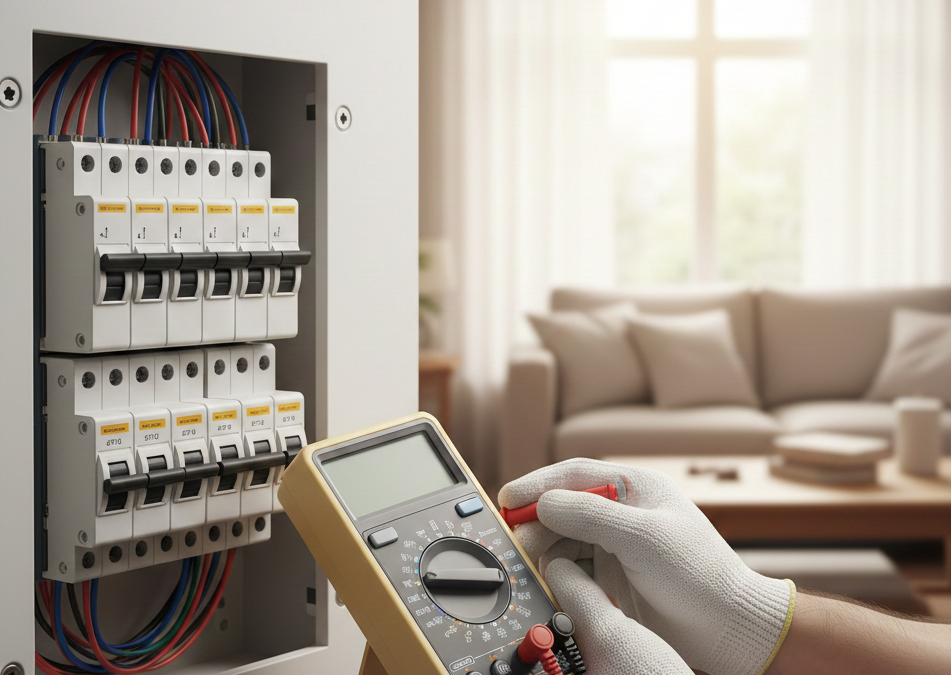
Electrical systems quietly power every part of your home, but problems often develop without obvious warning. Knowing when to schedule an electrical safety inspection for your home is one of the most effective ways to prevent fire hazards, electrical failures, and costly repairs.
Many homeowners only think about inspections after something goes wrong. However, regular electrical safety inspections help identify hidden risks early, improve system performance, and protect everyone living in the house. This guide explains the right timing, warning signs, and situations where an inspection becomes essential.
Why Electrical Safety Inspections Are Important
Electrical issues are among the leading causes of residential fires. Aging wiring, overloaded circuits, and outdated panels can all create serious safety risks if left unchecked.
An electrical safety inspection helps to:
- Detect hidden wiring problems before they become dangerous
- Reduce the risk of electrical fires and shocks
- Ensure compliance with current safety standards
- Improve overall system efficiency and reliability
Scheduling inspections at the right time keeps your home safe and avoids emergency repairs.
When You Should Schedule an Electrical Safety Inspection
While every home is different, certain situations clearly signal that it’s time for an inspection.
After Buying or Selling a Home
If you’ve recently purchased a home—or are preparing to sell one—an electrical safety inspection is strongly recommended. Older homes may contain outdated wiring, overloaded circuits, or panels that no longer meet safety standards.
An inspection provides peace of mind for buyers and helps sellers address issues before they delay a sale.
If Your Home Is More Than 10 Years Old
As homes age, electrical components wear down. Insulation can crack, connections may loosen, and older systems may struggle to handle modern power demands.
Homes over 10 years old should have inspections done regularly, even if no visible problems are present.
Before or After Major Renovations
Renovations often increase electrical load due to new appliances, lighting, or smart home features. Scheduling an inspection before and after renovations ensures your system can safely support these upgrades.
This step helps prevent overloaded circuits and protects your investment.
Warning Signs You Should Not Ignore
Some electrical problems require immediate attention regardless of timing.
Schedule an inspection if you notice:
-
Frequent circuit breaker trips
-
Flickering or dimming lights
-
Burning smells near outlets or panels
-
Warm or discolored switches and outlets
-
Buzzing sounds from electrical fixtures
These signs often indicate underlying issues that can escalate quickly if ignored.
How Often Should Electrical Safety Inspections Be Done?
For most homes, an electrical safety inspection every 3–5 years is recommended. However, inspections should be more frequent if:
-
The home is older
-
Electrical upgrades have been made
-
You experience recurring electrical issues
-
The property is used as a rental
Regular inspections reduce long-term risks and help extend the lifespan of your electrical system.
Benefits of Hiring a Professional Electrician
Professional electricians have the training and tools to evaluate electrical systems safely and accurately. They know what to look for, how to test components, and how to recommend appropriate solutions.
Working with a licensed professional ensures:
-
Accurate system assessment
-
Compliance with safety codes
-
Reliable repair recommendations
-
Reduced liability and safety risks
Conclusion
Understanding when to schedule an electrical safety inspection for your home is key to preventing hazards and maintaining a safe living environment. Whether you’re moving into a new home, upgrading your electrical system, or noticing warning signs, timely inspections can save lives and prevent costly damage.
If you’re unsure about the condition of your electrical system, scheduling a professional electrical safety inspection is a smart and proactive step toward long-term safety.
Frequently Asked Questions (FAQs)
How long does an electrical safety inspection take?
Most inspections take between one and three hours, depending on the size and condition of the home.
Do new homes need electrical inspections?
Yes. Even new homes can have installation issues or code compliance concerns that should be verified.
Can I inspect my electrical system myself?
Basic visual checks are possible, but full inspections should always be handled by a licensed electrician for safety reasons.
Are electrical inspections required by law?
Requirements vary by location, but inspections are often recommended during property sales, renovations, or major upgrades.