
Modern homes rely on electricity more than ever before. From air conditioners and kitchen appliances to home offices and smart devices, today’s electrical demand is much higher than it was decades ago. When too many devices run on the same circuit, overloaded electrical circuits can occur.
An overloaded circuit happens when the electrical demand exceeds the circuit’s safe capacity. This can cause overheating, tripped breakers, and even electrical fires if the problem is ignored. Understanding the warning signs early can help homeowners protect their property and electrical system.
What Causes Overloaded Electrical Circuits
Many homes were built when electricity usage was much lower. As households add more appliances and electronics, the existing electrical system may struggle to handle the increased load.
Common causes include:
-
Plugging too many appliances into one outlet
-
Using multiple power strips on the same circuit
-
Running high-power appliances simultaneously
-
Outdated electrical panels
-
Aging or damaged wiring
Overloaded electrical circuits can create dangerous heat buildup inside wiring, increasing the risk of electrical hazards.
Warning Signs of Overloaded Electrical Circuits
Electrical systems often show warning signs before serious problems occur. Homeowners should watch for these symptoms:
Frequent Circuit Breaker Trips
Circuit breakers are designed to shut off power when circuits become overloaded. If breakers trip repeatedly, it may indicate an overloaded circuit.
Flickering or Dimming Lights
Lights that flicker or dim when appliances are turned on may suggest the electrical system is struggling to supply enough power.
Warm Outlets or Switches
Outlets or switches that feel warm to the touch may indicate excessive electrical load.
Burning Smell Near Electrical Fixtures
A burning smell near outlets or wiring could signal overheating wires and should be addressed immediately.
Ignoring these signs can increase the risk of electrical fires or equipment damage.
Why Overloaded Circuits Are Dangerous
Overloaded electrical circuits are more than just inconvenient—they can pose serious safety risks.
Potential dangers include:
-
Electrical fires caused by overheating wires
-
Damage to appliances and electronics
-
Frequent power interruptions
-
Reduced lifespan of electrical components
Faulty wiring and overloaded circuits are among the most common causes of electrical hazards in homes.
How Electricians Fix Overloaded Circuits
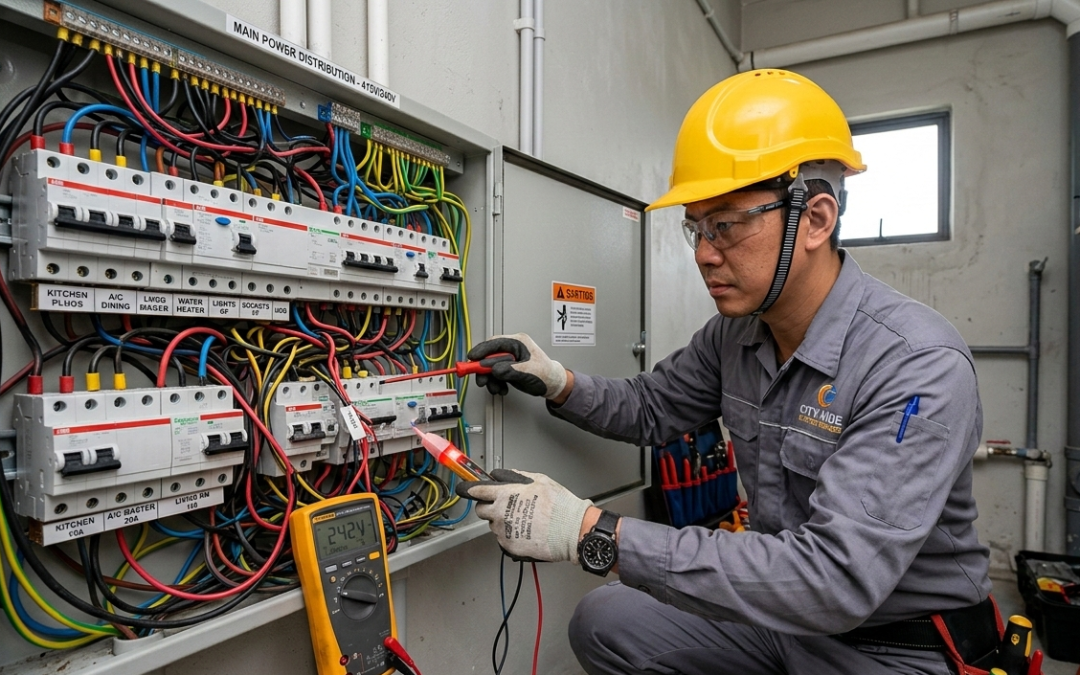
A licensed electrician can identify the root cause of electrical overload and recommend the right solution.
Common fixes include:
-
Installing additional circuits
-
Upgrading the electrical panel
-
Replacing outdated wiring
-
Redistributing electrical loads
-
Installing surge protection devices
Professional electricians ensure electrical systems meet safety standards and handle modern power demands.
Preventing Electrical Circuit Overloads
Preventive maintenance can reduce the risk of overloaded circuits.
Helpful tips include:
-
Avoid plugging too many appliances into one outlet
-
Use dedicated circuits for large appliances
-
Upgrade old electrical panels when necessary
-
Schedule regular electrical inspections
-
Install surge protection systems
Routine maintenance helps keep electrical systems safe and efficient for long-term use.
When to Call a Professional Electrician
If your home experiences frequent breaker trips, flickering lights, or overheating outlets, it’s important to contact a professional electrician. Electrical problems should never be ignored because they can quickly become dangerous.
Professional electricians have the tools and expertise to diagnose electrical issues safely and restore proper system performance.
FAQs
What is an overloaded electrical circuit?
An overloaded electrical circuit occurs when too many devices draw power from the same circuit, exceeding its safe electrical capacity.
Can overloaded circuits cause electrical fires?
Yes. Overloaded circuits can cause wires to overheat, which may lead to electrical fires if the issue is not resolved.
Why does my breaker keep tripping?
A breaker trips when a circuit becomes overloaded or when a short circuit occurs. It is a safety mechanism designed to prevent electrical damage.
Should I reset the breaker repeatedly?
No. If a breaker keeps tripping, it usually indicates a deeper electrical issue that should be inspected by a professional electrician.
How can I prevent circuit overload in my home?
You can prevent overload by spreading appliances across different circuits, upgrading your electrical panel, and scheduling regular electrical inspections.
© 2024 Electrician Wireman. All Rights Reserved. Web Design Malaysia | SEO Services | Mobile Apps