
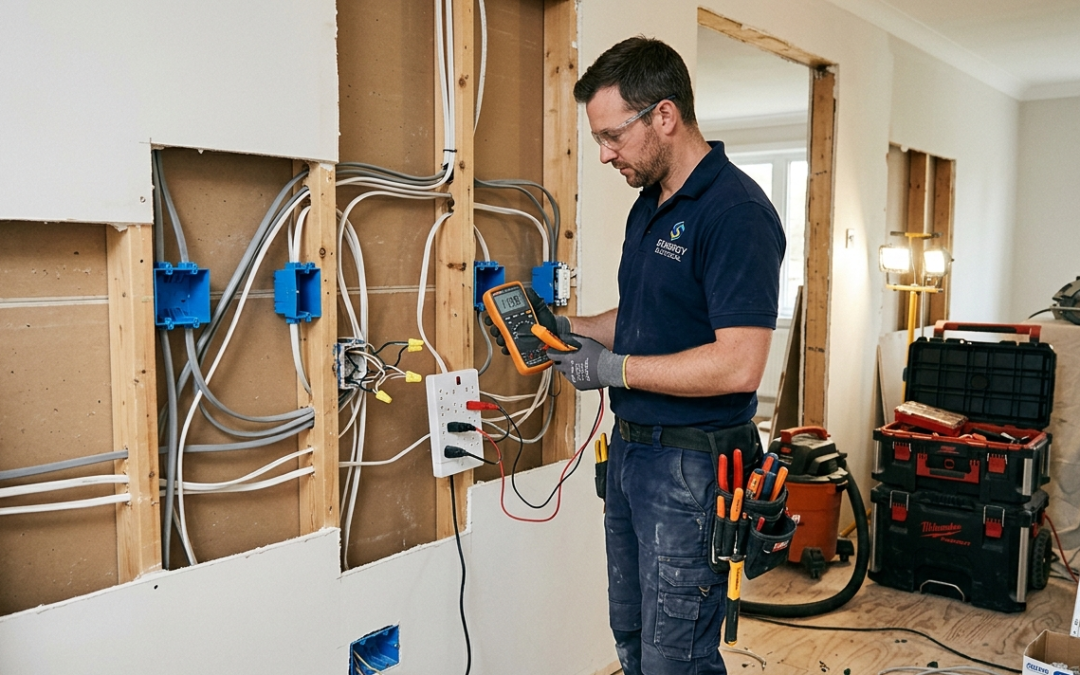
Home renovations are exciting projects that allow homeowners to improve comfort, functionality, and property value. Whether it involves upgrading a kitchen, expanding living spaces, remodeling bathrooms, or modernizing interiors, renovation projects often bring significant changes to a home’s structure and systems.
However, many homeowners focus primarily on design, materials, and construction while overlooking one critical component: the electrical system.
Electrical problems frequently appear during home renovations because older wiring, outdated electrical panels, and increased power demands are often exposed when renovation work begins. What initially seems like a simple remodeling project can quickly reveal hidden electrical issues that require professional attention.
Understanding why electrical problems occur during renovations can help homeowners plan effectively, avoid costly delays, and ensure their upgraded home remains safe and reliable.
Why Renovations Often Reveal Hidden Electrical Issues
Many homes contain electrical systems that have been functioning for years without obvious problems.
However, renovations often expose areas that are normally hidden behind:
- walls
- ceilings
- flooring
- cabinets
When contractors open these areas, previously unnoticed electrical concerns may become visible.
Common discoveries include:
- damaged wiring
- outdated electrical connections
- overloaded circuits
- improper installations
- aging electrical components
Because these issues are hidden from daily view, homeowners may not realize they exist until renovation work begins.
Older Homes May Have Outdated Wiring
One of the most common reasons electrical problems appear during renovations is outdated wiring.
Many older homes were built when electrical demands were much lower than they are today.
Years ago, households typically used:
- fewer appliances
- limited electronics
- basic lighting systems
Modern homes, however, often require power for:
- air conditioning systems
- smart home devices
- large televisions
- kitchen appliances
- computers and charging stations
Older wiring may not be designed to handle these increased power requirements.
Renovations often reveal wiring systems that need upgrading to meet current electrical standards and household needs.
Increased Power Demand Creates New Challenges
Renovation projects frequently involve adding new electrical equipment and appliances.
Examples include:
- additional lighting
- air conditioners
- water heaters
- kitchen appliances
- home office equipment
- entertainment systems
Each new addition increases overall electrical demand.
If the existing electrical system was not designed to support this load, problems may occur such as:
- tripping circuit breakers
- overloaded circuits
- voltage fluctuations
- reduced system performance
This is why electrical assessments are often recommended before major renovation projects begin.
Electrical Panels May Need Upgrading
The electrical panel, sometimes referred to as a distribution board or breaker panel, serves as the central control point for a home’s electrical system.
During renovations, electricians often discover that older panels are no longer suitable for modern power demands.
Common issues include:
- insufficient circuit capacity
- outdated breaker technology
- lack of available circuit space
- aging electrical components
When homeowners add new rooms, appliances, or systems, the existing panel may require upgrading to safely distribute electricity throughout the property.
Renovations Often Involve Additional Power Points
Modern homeowners typically want more convenience and accessibility.
As part of renovation projects, many people request:
- additional power outlets
- USB charging stations
- dedicated appliance circuits
- outdoor electrical connections
Adding these features requires modifications to the existing electrical system.
If wiring infrastructure is outdated or poorly designed, installation can become more complex and reveal underlying problems.
DIY Electrical Work Can Create Safety Risks
Some homeowners attempt to handle electrical work themselves during renovations.
While simple tasks may appear manageable, improper electrical modifications can create serious risks.
Common DIY mistakes include:
- incorrect wiring connections
- overloaded circuits
- poor cable management
- inadequate grounding
- non-compliant installations
These issues may not become apparent immediately but can lead to long-term safety concerns.
Professional electrical work helps ensure installations comply with safety requirements and building regulations.
Hidden Wiring Damage May Be Discovered
Electrical wiring can deteriorate over time due to:
- aging materials
- moisture exposure
- pest activity
- physical damage
- previous renovation work
When walls and ceilings are opened during renovations, damaged wiring often becomes visible.
Ignoring these issues can increase the risk of:
- power failures
- electrical shocks
- equipment damage
- electrical fires
Renovations provide an opportunity to identify and correct these problems before they become more serious.
Renovation Projects Must Meet Current Standards
Electrical regulations and safety standards continue to evolve.
A home that complied with electrical requirements decades ago may no longer meet current standards.
During renovations, homeowners may need to update electrical systems to satisfy modern safety expectations.
This can include:
- upgrading wiring
- replacing outdated components
- improving grounding systems
- installing safety devices
Meeting current standards helps improve both safety and long-term reliability.
Why Professional Electrical Planning Is Important
Electrical planning should be part of every renovation project.
A professional electrician can help:
- assess existing wiring
- calculate power requirements
- identify potential hazards
- recommend upgrades
- ensure compliance with safety standards
Early planning reduces the likelihood of unexpected costs and project delays.
It also allows homeowners to incorporate future electrical needs into the renovation design.
Benefits of Upgrading Electrical Systems During Renovation
Many homeowners view electrical upgrades as an additional expense.
However, renovation projects often provide the best opportunity to improve electrical infrastructure.
Benefits include:
Improved Safety
Modern electrical systems reduce risks associated with outdated wiring and overloaded circuits.
Better Performance
Upgraded systems can support modern appliances and technology more effectively.
Increased Property Value
Buyers often appreciate homes with updated electrical systems.
Future Expansion Readiness
Improved electrical capacity supports future upgrades and renovations.
Greater Energy Efficiency
Modern electrical components often operate more efficiently than older systems.
Common Signs You Need an Electrical Upgrade During Renovation
Homeowners should pay attention to warning signs such as:
- frequent circuit breaker trips
- flickering lights
- warm electrical outlets
- buzzing sounds from switches
- insufficient power outlets
- outdated electrical panels
These indicators may suggest that the existing system requires professional evaluation.
Conclusion
Home renovations often uncover electrical issues that have remained hidden for years. As homeowners upgrade living spaces and add new appliances, the demands placed on electrical systems increase significantly.
Outdated wiring, overloaded circuits, aging panels, and hidden damage are among the most common challenges discovered during renovation projects.
By planning electrical work early and working with qualified professionals, homeowners can improve safety, support modern power needs, and ensure their renovation investment delivers long-term value.
A successful renovation is not only about appearance—it also involves creating a safe, reliable, and future-ready electrical system.
More Info
- Home Page
https://electricianwireman.com/ - Blog Section
https://electricianwireman.com/blog/
FAQs
1. Why do electrical problems often appear during renovations?
Renovations expose hidden areas of a home, making it easier to discover outdated wiring, damaged cables, overloaded circuits, and other electrical issues.
2. Should electrical systems be inspected before renovation?
Yes. An electrical inspection helps identify potential problems and determines whether upgrades are necessary before construction begins.
3. Can renovations increase electrical demand?
Yes. Additional lighting, appliances, outlets, and equipment can significantly increase a home’s power requirements.
4. Do older homes usually need electrical upgrades?
Many older homes were built for lower power consumption and may require wiring or panel upgrades to support modern electrical demands.
5. Is professional electrical work necessary during renovation?
Yes. Professional electricians ensure installations are safe, compliant, and capable of supporting current and future electrical needs.
© 2024 Electrician Wireman. All Rights Reserved. Web Design Malaysia | SEO Services | Mobile Apps