
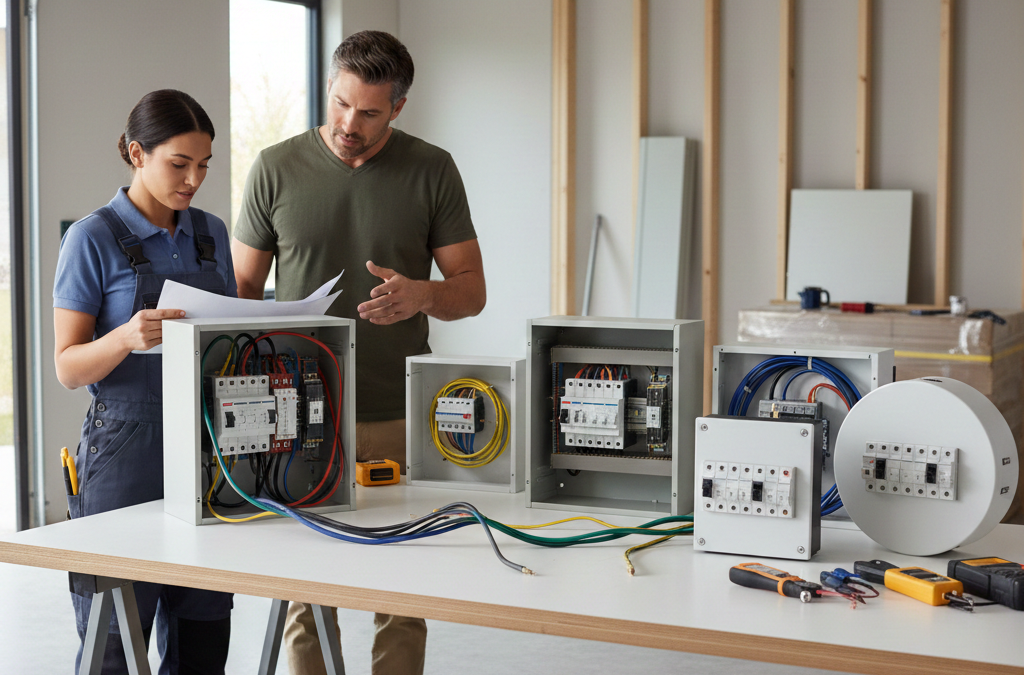
Choosing the right electrical panel is essential for keeping your home safe, reliable, and able to handle modern electrical demands. Your electrical panel controls how electricity is distributed throughout your house. If it is outdated, undersized, or damaged, it can lead to frequent power issues, safety risks, and expensive repairs. Many homeowners only realize this problem when breakers trip constantly or new appliances stop working properly.
Understanding how to choose the right electrical panel for your home helps ensure safety, efficiency, and long-term reliability.
Why Your Electrical Panel Matters More Than You Think
Your electrical panel acts as the heart of your home’s electrical system. It protects your wiring, appliances, and family from overloads and electrical faults. When the panel is too old or not designed for modern power usage, it struggles to handle today’s demand.
As a result, you may experience flickering lights, overheating breakers, or sudden power outages. More importantly, an unsuitable panel increases the risk of electrical fires. Therefore, selecting the right panel is not just about power capacity — it is about safety and peace of mind.
Understanding Electrical Capacity to Choose the Right Electrical Panel
One of the first things to consider is panel capacity. Electrical panels are rated by amperage, commonly 100A, 150A, or 200A for residential homes.
Homes with modern appliances, air conditioning, electric water heaters, or EV chargers usually require higher amperage. If your panel capacity is too low, it cannot safely support your electrical load.
Because of this, homeowners planning renovations or upgrades should always assess whether their existing panel can handle future demand.
Signs You Need to Choose the Right Electrical Panel Upgrade
When homeowners choose the right electrical panel, they reduce overload risks and improve long-term system performance. Many homes still operate with outdated panels without the owner realizing the risk. However, certain warning signs should never be ignored.
Common indicators include frequent circuit breaker trips, burning smells near the panel, buzzing sounds, or visible corrosion. In some cases, older fuse boxes are still in use, which no longer meet modern safety standards.
When these signs appear, professional inspection becomes urgent to prevent serious electrical hazards.
Why Experts Help You Choose the Right Electrical Panel
Not all electrical panels are the same. Some are designed for standard residential use, while others support advanced electrical needs.
Main breaker panels are common in most homes, offering centralized control and protection. Subpanels are often added for home extensions or specific areas that need additional circuits.
Selecting the correct panel type ensures your electrical system remains organized, safe, and expandable.
Safety Standards and Compliance Considerations
Electrical panels must meet current safety regulations and local electrical codes. Installing a non-compliant panel can cause inspection failures and insurance issues.
Certified electricians understand these requirements and ensure installations meet national and local standards. This protects both your property and long-term investment.
Cutting corners in this area can result in serious consequences later.
Why Professional Assessment Makes the Difference
Although online information is helpful, every home’s electrical needs are different. Factors such as house size, appliance usage, and future upgrades all play a role.
A professional electrician evaluates load requirements, wiring condition, and safety risks before recommending the most suitable panel. This prevents over- or under-sizing and ensures reliable performance.
Professional guidance also helps avoid unnecessary costs and repeat upgrades.
FAQs
How long does an electrical panel last?
Most panels last 25–40 years, depending on usage and maintenance.
Is upgrading an electrical panel expensive?
Costs vary, but upgrading is far less expensive than repairing fire or electrical damage.
Can I replace an electrical panel myself?
Electrical panel replacement should always be done by licensed professionals for safety and compliance.
Conclusion
Taking time to choose the right electrical panel helps prevent electrical failures, safety hazards, and future upgrade costs. Knowing how to choose the right electrical panel for your home protects your family, appliances, and property. From understanding amperage to recognizing warning signs, informed decisions help prevent costly and dangerous electrical problems.
If your panel is outdated or struggling to meet your home’s power needs, it is best to contact a professional electrician. Expert assessment and proper installation ensure your electrical system remains safe, efficient, and future-ready.