
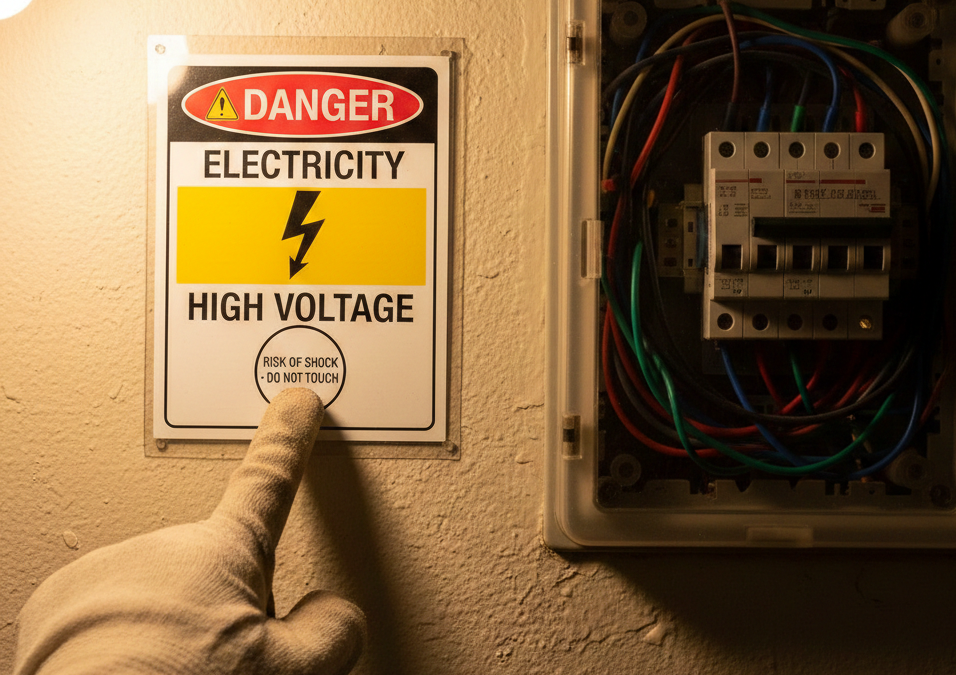
Your home may be at risk without you realizing it. Discover 10 urgent warning signs you need professional electrical service now to protect family and property.
1. Frequent breaker trips – a silent danger you can’t ignore
When your circuit breaker keeps tripping, it is not just an inconvenience—it is a serious signal that your electrical system is struggling. Breakers trip because they are designed to protect you from fire, overheating, and electrical damage. If this happens occasionally during storms or heavy appliance use, it may be normal. However, when it becomes frequent or unpredictable, it usually indicates overloaded circuits, deteriorated wiring, or faulty appliances pulling too much power.
In many homes, new devices are added over time—air conditioners, ovens, EV chargers, gaming PCs, heaters—and the original wiring simply wasn’t designed to support today’s electrical load. This stress causes wires to overheat behind walls where you can’t see the damage forming.
Key warning patterns include:
Routine electrical maintenance checks for:
-
Lights and TV shutting off together.
- Breaker tripping when you plug in a single appliance.
- parts of your home losing power randomly
Ignoring this can result in:
- Melted insulation inside walls.
- Burned breaker panel components.
- Potential electrical fire hazards.
A licensed electrician can perform a load calculation, identify the overloaded circuits, and recommend rewiring or panel upgrades before failure occurs. If your breaker trips weekly or even monthly, this is not normal. It is an urgent sign your home needs professional electrical service now to prevent costly damage and ensure your family’s safety.
2. Flickering or dimming lights that signal deeper wiring problems
Many people shrug off flickering or dimming lights as something minor, but these symptoms usually point to loose wiring, overloaded circuits, or voltage fluctuations. All of these can become major hazards if ignored. When lights dim every time you turn on the microwave or AC, your circuit is screaming that it’s under stress.
Here’s what flickering lights often mean:
-
Loose or deteriorating wire connections.
-
Failing light fixtures or switches
-
Overloaded main panel.
- Issues with neutral or grounding.
Loose wiring is especially dangerous because it increases resistance, generating heat inside walls. This heat is one of the leading causes of residential electrical fires. If you notice buzzing sounds along with flickering, the danger is even higher because it usually indicates arcing electricity.
Common situations include:
- Lights flicker when a large appliance starts.
- One specific room flickers.
- The entire house experiences dimming.
Homeowners sometimes try to replace bulbs or fixtures thinking the problem will disappear. Unfortunately, the issue often lies much deeper inside the electrical system. Only a professional electrician can test the voltage levels, evaluate the panel capacity, and repair weak or damaged wiring before it becomes catastrophic.
If flickering happens more than once in a while, treat it as an urgent warning sign rather than a small annoyance. Your home may already be at risk, and timely electrical service can prevent shocks, damage, or potential fires.
3. Warm, burnt, or discolored outlets that indicate overheating
Outlets and switches should never feel warm. When they become hot, discolored, or emit a burning smell, they are telling you that something is dangerously wrong. Overheating often indicates loose wiring, failing receptacles, or overloaded circuits pushing more current than they safely can handle.
Signs to watch include:
-
Brown or yellow staining around outlets.
-
Melted plastic or deformed faceplates.
-
Crackling or sizzling sounds.
-
Faint burning odor.
Heat buildup typically occurs because of resistance inside the outlet. As wires loosen over time, the electrical current does not flow smoothly, which produces intense heat. This is why burn marks around outlets are not cosmetic — they are warning flags.
Continuing to use these outlets exposes your home to:
- Electrical arcing.
- Insulation melting inside the wall.
- Potential ignition of surrounding material.
Many homeowners make the mistake of using extension cords or power strips as a workaround rather than addressing the underlying issue. This actually makes the situation worse by placing even more strain on already damaged wiring.
A licensed electrician can replace burnt components, correct wiring, and verify whether the circuit itself is overloaded. If you feel warmth on an outlet even when nothing is plugged in, stop using it immediately and schedule professional electrical service. This is one of the most urgent, high-risk signals of electrical failure inside a home.
4. Burning smells or buzzing noises from your electrical system
If you notice a burning plastic smell, smoky odor, or buzzing noises, you should treat it as an emergency. These symptoms almost always indicate electrical arcing, overheating wires, or failing components. Unlike plumbing leaks, which you can see, electrical damage occurs silently behind walls where it can build heat unnoticed.
Common sources include:
-
Overloaded breaker panel.
-
Loose wire connections.
-
Failing switches.
- Damaged appliance cords.
- Overheating outlets.
Buzzing sounds may come from outlets, ceiling lights, breaker panels, or even walls. This noise happens when electricity jumps between gaps in damaged wiring, creating sparks you cannot see. This is called arcing, and it is one of the top causes of electrical fires.
You should never ignore the following:
- Burning odor near outlets or fixtures.
- Buzzing sound when turning on lights.
- Crackling noise from inside the panel.
Do not attempt DIY repairs in these situations. Turning off the breaker for the affected area and calling a licensed electrician is the safest action. Professionals use thermal scanners and testers to locate overheated wiring and replace it before ignition occurs.
When your electrical system smells like burning or sounds like buzzing, it is not only a repair issue — it is a life safety issue. Immediate electrical service is essential to protect your home, belongings, and family.
5. Frequent shocks when touching switches or appliances
A slight tingling or shock when plugging in a device may seem small, but it’s actually a serious red flag. It indicates faulty grounding, damaged wiring, or defective outlets. Electricity is escaping where it should not, and your body becomes the path to ground.
Reasons for electrical shocks include:
-
Loose outlet wiring.
-
Ungrounded older receptacles.
-
Damaged appliance cords.
-
Moisture intrusion near outlets.
- Improper DIY wiring.
In homes with older electrical systems, outlets may not be properly grounded. This increases the risk of shock and can also damage sensitive electronics. If this occurs near water sources such as bathrooms, kitchens, laundry rooms, or outdoor areas, the danger is even higher.
Key danger signs:
- Shock when touching metal appliances.
- Shock when flipping a switch.
- Small sparks when plugging devices in.
Modern homes use GFCI (Ground Fault Circuit Interrupter) outlets in moisture-prone areas for safety. If your home lacks these, you are exposed to risk every day.
A professional electrician will test grounding continuity, repair defective outlets, and install GFCI protection where required. If you are getting shocked, do not keep using the outlet. This is a situation requiring immediate electrical service to prevent severe injury or electrocution.
6.Old electrical panels and wiring not designed for modern power demand
Many homes still rely on outdated fuse panels, aluminum wiring, or cloth-covered wires that were never designed for today’s electrical load. Modern living depends on high-power appliances, smart home systems, HVAC units, EV chargers, and home offices—all drawing continuous electricity.
Older systems struggle with:
-
Heat buildup
-
Voltage drop.
-
Overloaded circuits.
-
Frequent outages.
- Damaged insulation.
Outdated wiring not only reduces performance but also increases fire risk because insulation becomes brittle and cracked over time. Aluminum wiring, common in older homes, expands and contracts with heat, loosening connections and leading to arcing.
Warning signs of outdated systems include:
- Buzzing breaker panel.
- Lack of grounded outlets.
- Frequent bulb burnouts.
- Limited number of outlets in rooms.
Upgrading your panel and wiring does more than improve safety. It:
- Improves energy efficiency.
- Increases home resale value.
- Reduces insurance risk.
- Supports modern electrical usage.
Homeowners sometimes postpone upgrades because “everything still works.” Unfortunately, wiring usually fails without visible warning, deep inside walls. Scheduling professional electrical service for inspection and upgrades ensures your home meets modern safety standards and avoids unexpected failures.
7. Overloaded extension cords and power strips everywhere
If your home relies on multiple power strips, extension cords under carpets, or daisy-chained adapters, your electrical system is already telling you it needs help. Extension cords were designed for temporary use, not as permanent solutions. Over time, they heat up, degrade, and increase the risk of both shock and fire.
Common overloaded-home indicators:
- Every outlet has a power strip.
- Cords run under rugs or furniture.
- Multiple high-wattage devices on one strip.
- Scorch marks or melted plugs.
High-demand devices like heaters, microwaves, gaming PCs, or hair dryers should never share a strip. Doing so often leads to overheating and eventual wiring damage inside walls.
Instead of using more extension cords, the real solution is:
-
Installing additional dedicated circuits.
-
Adding grounded outlets.
-
Upgrading panel capacity.
A professional electrician can design a safer outlet layout for your daily needs, eliminating hazards while improving convenience. When a home outgrows its electrical layout, it’s time for electrical service, not more adapters. Using strips as permanent wiring is a major fire hazard, and correcting it now protects your property and loved ones.
8. Unusually high electricity bills without clear explanation
If your electric bill keeps rising but your lifestyle hasn’t changed, your electrical system may be wasting energy. Hidden issues such as loose wiring, inefficient appliances, power leaks, or overloaded circuits cause excess power consumption that you’re paying for without benefit.
Possible causes include:
- Failing motors in appliances.
- Phantom loads from standby devices.
- Damaged wiring increasing resistance.
- Aging lighting systems.
- Unbalanced circuits.
A professional electrician can perform an energy efficiency assessment to locate where waste occurs. Solutions may include rewiring circuits, balancing loads, upgrading panels, or replacing inefficient fixtures with modern LED systems.
Benefits of timely service:
- Lower monthly energy cost
- improved appliance lifespan
- reduced overheating risk
- better system performance
When energy waste comes from faulty wiring, it’s not just expensive—it’s dangerous because heat is generated while power is lost. If you’re experiencing unexplained bill increases, it’s time for professional electrical service to diagnose and correct the underlying issue.
9. Dead outlets and switches that stop working without reason
Outlets or switches that suddenly stop working can indicate loose connections, internal damage, tripped GFCI circuits, or wiring failures behind walls. Many homeowners think a non-working outlet is only a convenience issue, but it can signal deeper electrical problems.
Common causes include:
-
Overheated or burned internal components.
-
Damaged wiring connections.
-
Failure inside the breaker panel.
- Pest damage in wall cavities.
A dead outlet may actually be part of a series circuit where upstream wiring has failed. In some cases, wires loosen and arc behind the drywall, burning insulation while the outlet itself appears harmless.
Warning signs include:
-
Outlet faceplate feels warm.
-
Burn marks near plug openings.
-
Repeated outlet failure in same area.
-
Faint buzzing from the wall.
A licensed electrician will test continuity, inspect circuitry, and restore safe operation. Leaving dead outlets uninspected can increase risk because failure rarely happens without overheating first. Treat non-functional outlets as a sign your home needs professional electrical service, not merely a simple replacement.
10. You rely on DIY fixes without professional inspection
With online tutorials everywhere, many homeowners attempt DIY electrical repairs. While it may seem like a good way to save money, electrical systems are complex and unforgiving. Incorrect connections, improper grounding, and mismatched components can lead to shocks, fires, or appliance damage.
Common risky DIY mistakes:
-
Connecting wires without turning off main breaker.
-
Mixing aluminum and copper wiring.
-
Replacing breakers with higher-amp units.
-
Bypassing GFCI protection.
-
Taping damaged cords instead of replacing.
Electricity does not show mercy for small errors. A single loose screw on a terminal can generate dangerous heat. Using oversized breakers to “stop tripping” removes the very protection designed to prevent fires.
Professional electricians bring:
-
Diagnostic tools.
-
Safety training.
-
Code-compliant installations.
-
Insurance protection.
If you’ve made past DIY repairs, it’s wise to schedule an inspection to ensure your home is truly safe. Professional electrical service ensures repairs are correct, secure, and compliant with modern electrical codes.
Frequently Asked Questions (FAQs)
Q1: How often should my home electrical system be inspected?
Homes older than 10 years or with frequent electrical problems should be inspected once every 1–2 years or anytime warning signs appear.
Q2: Is flickering light always dangerous?
Not always, but repeated flickering usually signals loose wiring or overload, which can become hazardous if ignored.
Q3: Can I replace burnt outlets myself?
No. Burnt outlets often indicate deeper wiring problems. Always call a licensed electrician for safety.
Q4: What rooms most need GFCI protection?
Bathrooms, kitchens, laundry areas, basements, garages, and outdoor outlets should all have GFCI protection.
Conclusion
Your home may appear safe on the surface while serious electrical dangers are quietly developing behind walls. Frequent breaker trips, burnt outlets, buzzing noises, shocks, flickering lights, and outdated wiring are clear warning signs that should never be ignored. Acting early protects lives, prevents fires, and saves money on major repairs.
If you recognize any of the signs listed above, do not wait. Your family’s safety depends on it.
📞Contact us today for professional electrical service, inspection, repair, or system upgrades — and protect your home before problems become emergencies.